
Leading change starts with understanding people. So does building your own strategic visibility.
This month I attended the HBA London Chapter meeting hosted by Jazz pharmaceuticals. The topic was “Strategic Visibility Matters; Define and Elevate Your Professional Positioning”
How can individuals do that more effectively?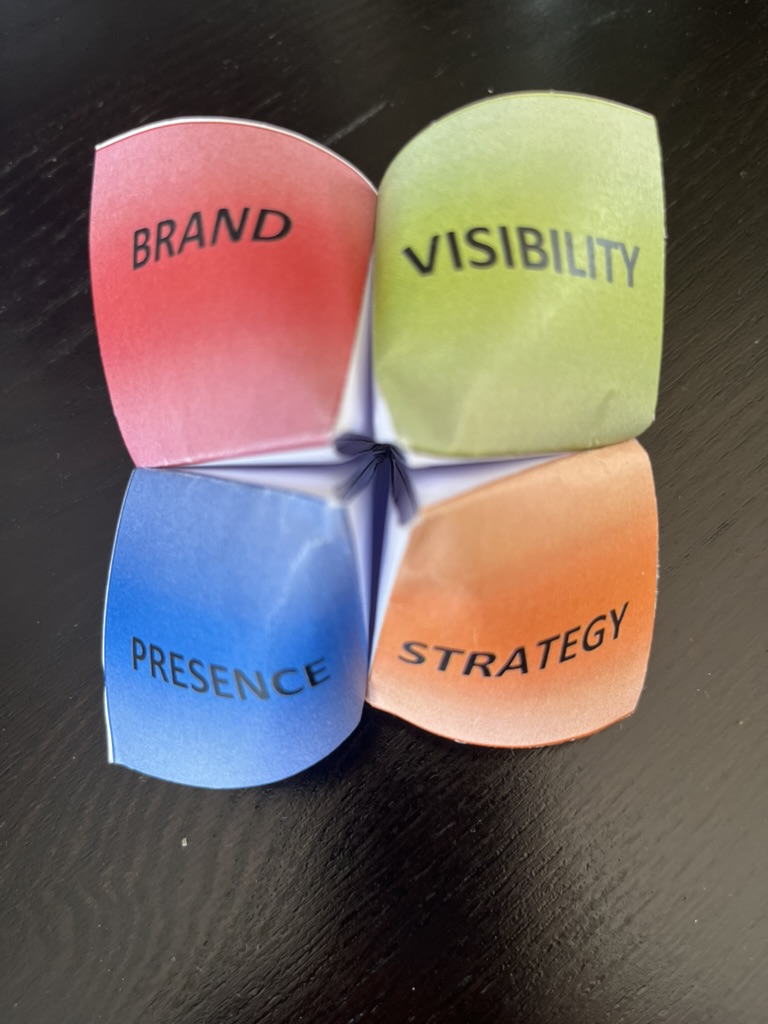
You can deliver excellent work, have valuable expertise and make a real difference. But if you don’t understand the people who influence decisions, shape priorities and create opportunities, your contribution may not have the impact it could.
It struck me that the same is true when you are leading change.
One of the common misconceptions about leading change is that if you have a compelling vision, a strong strategy and a good plan, people will naturally get behind you.
But organisations don’t change simply because a strategy makes sense. Change happens when people understand why it matters, see how they can contribute and have the confidence and motivation to act.
Stakeholder mapping is a powerful tool in Leading for Change.
It helps us understand the people who will enable, influence or be affected by the change.
Who needs to be involved? Who can champion the change? Who might resist it? Whose perspectives are we missing? And what matters to each of them?
These are not simply questions to answer at the start of a change initiative. They are questions to revisit as circumstances evolve and relationships develop.
In our discussions at the HBA event we applied stakeholder mapping to our own leadership and professional impact. This approach can build strategic visibility.
🔹 Understand your landscape. Identify the people who influence the priorities, decisions and outcomes that matter to your work. Look beyond your immediate team.
🔹 Understand their perspectives. What are their priorities, pressures and challenges? How does your expertise or contribution help address them?
🔹 Create visibility through value. Make your contribution visible by demonstrating how your work supports wider organisational goals. Share insights, communicate outcomes and actively seek opportunities to collaborate.
If you mapped your stakeholders today, would the people who can help you create the greatest impact, understand the value you bring?
And if you are leading change, are you engaging your stakeholders in a way that works for them to help change be more effective?